Mantras & Japas
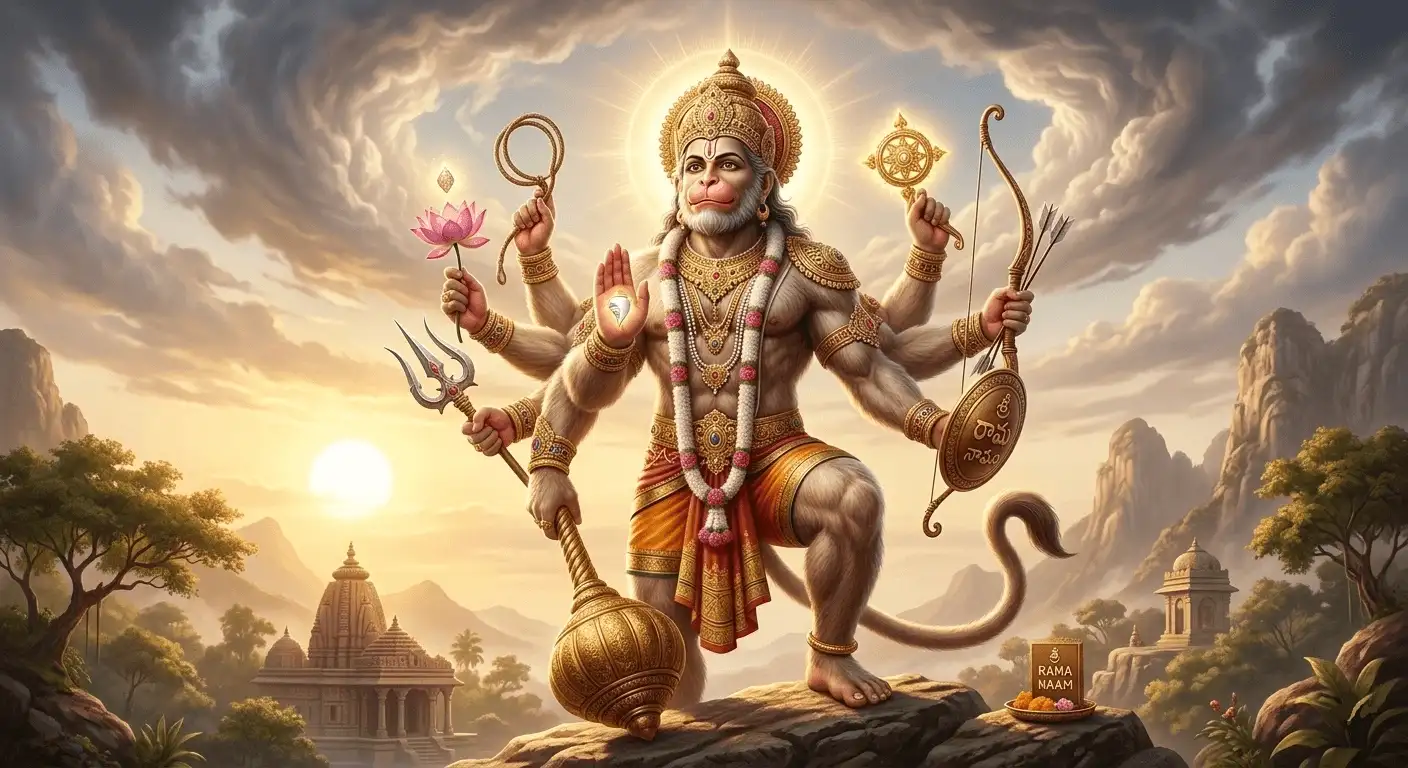
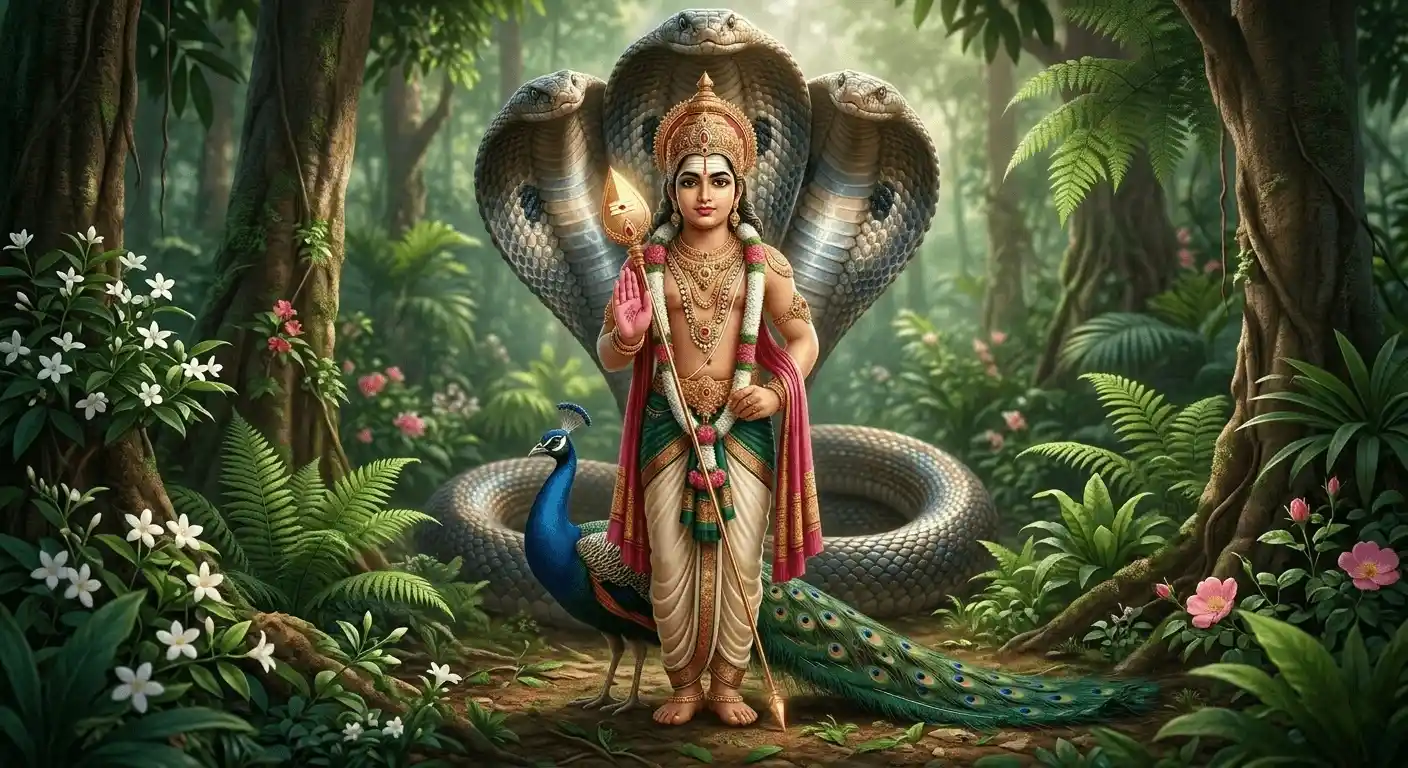
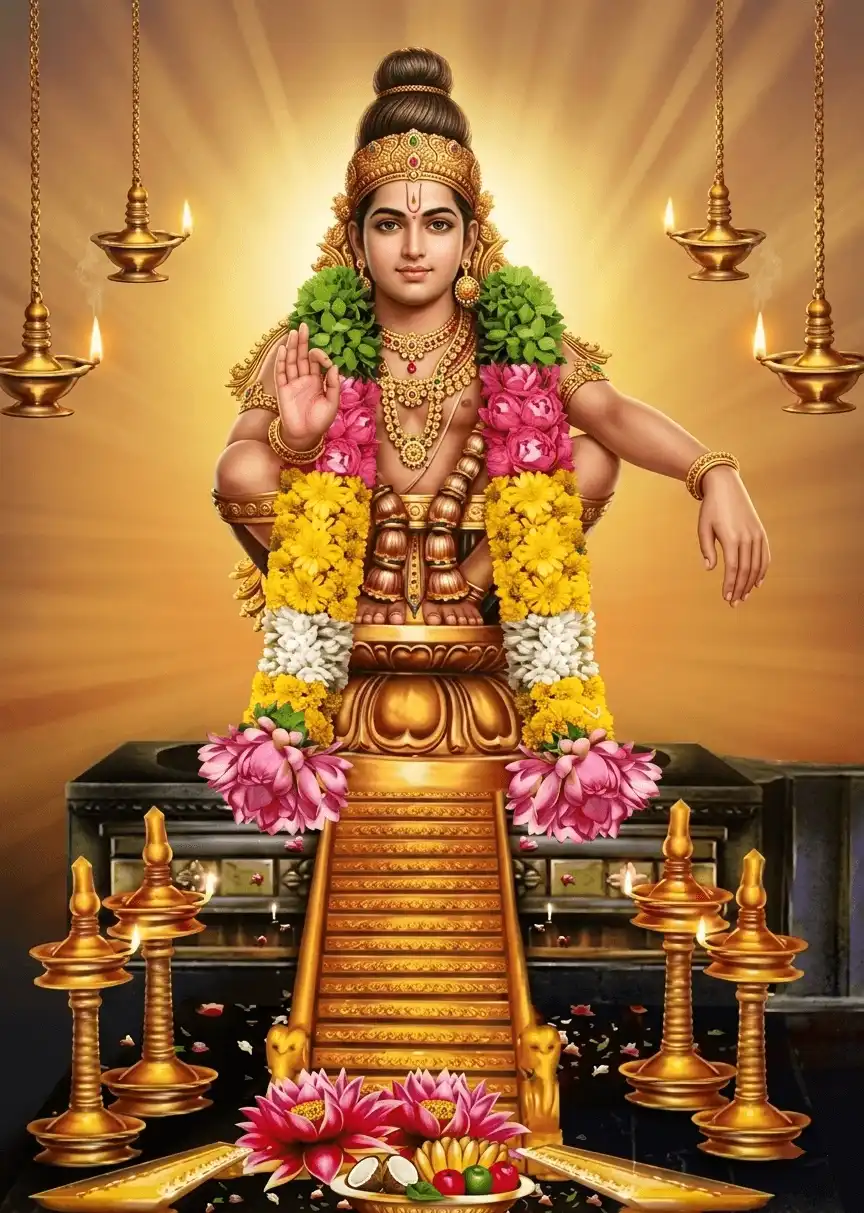
In Sanatana Dharma, every deity has thousands of dedicated mantras and japas. Here, we provide some of the primary mantras and japas for each specific deity.

Mental Peace & Stress Reduction
Improved Concentration & Focus
Positive Energy
Physical Health Benefits
Spiritual Growth
In Sanatana Dharma, every deity has a dedicated Gayatri mantra. The fundamental difference between a standard mantra and a Gayatri mantra lies in the Chandas (meter) and the specific methodology of Varnana (description and invocation).
Mantras types : Mantras are very important in spiritual and Vedic traditions. They can be classified in various ways. Specifically, based on their nature, they are primarily categorized into four types
1).Vedic Mantras: These are derived directly from the Vedas. They are considered the most powerful and require precise pronunciation and intonation. They are meant for universal peace and spiritual enlightenment. Example: Gayatri Mantra.
2).Puranic Mantras: These are sourced from the Puranas and Epics. They are relatively simple to recite and do not require complex rituals or strict initiation, making them accessible to everyone for cultivating devotion.Example: Om Namah Shivaya, Om Namo Narayanaya.
3).Tantric Mantras: These belong to the Tantra Shastra. They are usually practiced for specific objectives under the guidance of a Guru. They involve techniques to channelize cosmic energies for both material and spiritual goals.(These should never be encouraged.)
4). Beejakshara Mantras: These consist of single seed syllables (e.g., Hrim, Shrim, Klim). They are believed to be the root sounds of specific energies and are used to activate various energy centers (Chakras) in the human body.
Apart from these, mantras can also be classified into three types based on their purpose.
Satvic Mantra: For knowledge, peace, and salvation.
Rajasic Mantra: For wealth, success, and material desires.
Tamasic Mantra: For influencing others or dark/esoteric purposes.(These should never be encouraged.)
Japa: Japa is the continuous and rhythmic repetition of a mantra, the name of a deity, or a sacred sound, either aloud or within the mind. It is a powerful practice intended to focus the mind and connect the individual with the Divine.
The main types of Japa are:
Vachika Japa: Reciting the mantra aloud so that others can hear it.
Upanshu Japa: Reciting the mantra in a whisper, where only the practitioner can hear it through the movement of the lips.
Manasika Japa: Reciting the mantra purely within the mind without any sound or movement. This is considered the most powerful and effective form.
Advantage of Japa:
The practice of Japa helps in achieving mental concentration, builds spiritual energy, and helps eliminate negative thoughts. Traditionally, a 'Japa Mala' (a string of beads, such as Rudraksha or Tulsi) is often used to keep count during the practice.
In Sanatana Dharma, every deity has thousands of dedicated mantras and japas. Here, we provide some of the primary mantras and japas for each specific deity.